
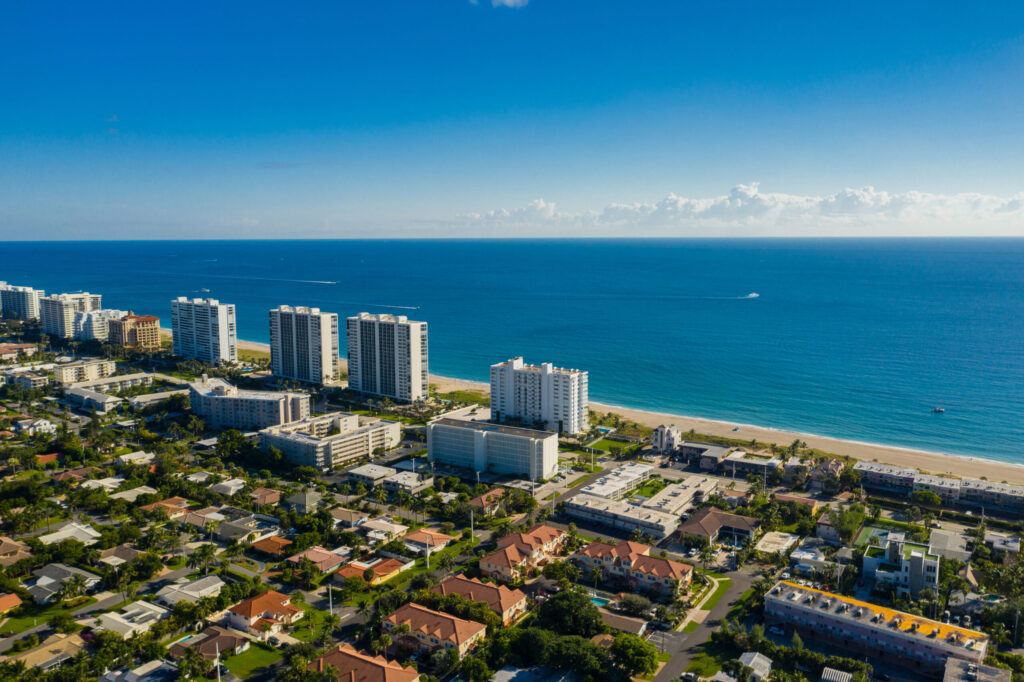
Stagnation in the Sun: 2026 South Florida Real Estate Market Report
The South Florida Market Report Every Buyer, Seller, and Investor Needs to Read
“Stagnation in the Sun” — A comprehensive, data-driven analysis of aged real estate inventory across Miami-Dade, Broward, and Palm Beach counties. Updated February 2026.
Thank you for reading this post, don't forget to subscribe!33.5%
YoY Inventory Increase
13.2 Mo.
Miami-Dade Condo Supply
102 Days
Broward County Median DOM
40+
Data-Driven Sources
What You’ll Learn
- Why thousands of South Florida properties have crossed the critical 90-day stagnation threshold — and what it means for every buyer, seller, and investor in the tri-county area
- The real impact of Florida’s insurance crisis on home affordability — hint: it’s equivalent to $100,000 in lost purchasing power
- How SB 4-D and HB 913 are reshaping the condo market — and which buildings face the biggest risks from special assessments of $20,000 to $400,000+ per unit
- County-by-county analysis — detailed breakdowns of what’s happening in Miami-Dade, Broward, and Palm Beach with specific case studies and listing data
- The Buyer’s Playbook — how to identify opportunities in aged inventory, what due diligence is essential, and the negotiation strategies that work
- The Seller’s Reality Check — why 2022 pricing strategies guarantee stagnation in 2026, and how to price for today’s market
- 2026 market forecasts from NAR, MIAMI REALTORS, Fannie Mae, and other major sources
- The emerging foreclosure pipeline — and what it means for the market in late 2026-2027
Five Forces Driving Market Stagnation
1. The Insurance Crisis
Florida homeowners pay 4.5 times the national average for property insurance. At approximately $8,000+ annually, insurance costs alone reduce a buyer’s purchasing power by roughly $100,000 compared to states with average insurance rates.
2. SB 4-D and the Condo Compliance Cliff
Following the Surfside tower collapse, Florida mandated structural inspections and fully funded reserves for older condo buildings. Special assessments ranging from $20,000 to $400,000+ per unit have made many buildings unmarketable.
3. The Condo Financing Freeze
Lenders are tightening standards for condo loans, requiring adequate insurance coverage, funded reserves, and structural compliance. Buildings that don’t meet these requirements lose ‘warrantable’ status — cutting off conventional financing.
4. The Interest Rate Lock-In Effect
Homeowners with 2.5-3.5% mortgages from 2020-2022 face effectively doubled payments if they sell and buy at current rates near 6%. This constrains supply of quality listings while properties that do list are often overpriced or distressed.
5. Climate Risk Repricing
Insurance companies, lenders, and institutional investors are beginning to price in long-term flood, sea level, and hurricane risk. Properties in high-risk zones face a triple threat of rising insurance, tightening lending, and declining demand.
Read the Full Analysis
The complete report includes county-by-county deep dives, specific case studies, detailed affordability calculations, a buyer’s due diligence checklist, a seller’s pricing guide, the emerging foreclosure pipeline analysis, 2026 market forecasts, and 40+ cited sources.
About Labros Property Holdings
Labros Property Holdings provides data-driven real estate intelligence for South Florida. Our analysis combines publicly available market data, legislative research, and financial modeling to deliver insights that help buyers, sellers, and investors make informed decisions in one of America’s most dynamic — and complex — real estate markets.
Based on 40+ authoritative sources including MIAMI REALTORS, Redfin, Zillow, Realtor.com, NAR, Florida Realtors, and ATTOM Data Solutions.
Thinking About Selling Your Property?
Don’t let your property become another stagnation statistic. Labros Property Holdings buys homes directly — no agents, no repairs, no waiting. Get a fair cash offer within 48 hours.
DOWNLOAD THE COMPLETE REPORT
Get the Full PDF with Data Tables, Case Studies & All 40 Citations
Free instant download — enter your email and we’ll send it right over.
FULL REPORT
Stagnation in the Sun: 2026 South Florida Real Estate Market Report
Updated & Expanded Edition — February 2026 | Prepared by Labros Property Holdings
Data Sources: Redfin, Zillow, Realtor.com, PropertyOnion.com, MIAMI REALTORS, Florida Realtors, NAR, Bankrate, ATTOM Data
Executive Summary
The South Florida residential real estate market — a tripartite ecosystem comprising Miami-Dade, Broward, and Palm Beach counties — has entered a defining phase of structural recalibration as of early 2026. What began as a post-pandemic correction has solidified into a sustained market shift that demands a fundamentally different approach from buyers, sellers, and investors alike.
Following the unprecedented liquidity events of 2021-2022, a distinct bifurcation has emerged within the inventory landscape. While select sub-sectors — particularly ultra-luxury single-family homes and cash-heavy transactions — continue to exhibit healthy transaction velocity, a substantial and growing cohort of properties has breached the critical 90-day threshold on the market. This stagnation signals a widening disconnect between seller expectations and buyer capability that shows no sign of rapid resolution.
This updated report, grounded in an exhaustive analysis of data aggregated from Redfin, Zillow, Realtor.com, PropertyOnion.com, MIAMI REALTORS, the National Association of Realtors (NAR), and multiple financial data services, dissects the "90-day-plus" inventory phenomenon to reveal the underlying economic and behavioral drivers of this slowdown.
Key Findings — February 2026 Update:
- Active inventory across the tri-county area increased 33.5% year-over-year as of mid-2025, with the trend continuing into 2026.
- Miami-Dade condo median prices fell below $400,000 in November 2025 for the first time in three years, with condo inventory reaching 13.2 months' supply — deep into buyer's market territory.
- Broward County inventory reached 9.84 months' supply as of January 2025, the highest level since the post-2007 crash period.
- Mortgage rates have settled near 6% as of February 2026 (30-year fixed at approximately 5.97-6.16%), providing modest but meaningful relief.
- The Florida legislature passed HB 913 in 2025, extending SB 4-D compliance deadlines and giving condo boards more flexibility in reserve funding — but the financial burden on unit owners remains severe.
- Special assessments exceeding $100,000 per unit are now common in aging high-rises, with some buildings in northeastern Miami-Dade facing assessments as high as $400,000.
- Cash transactions remain elevated: 37.1% in Miami-Dade, 36.8% in Broward, and 44.8% in Palm Beach County.
- MIAMI REALTORS Chief Economist Gay Cororaton projects a buyer's market through mid-2026.
- NAR Chief Economist Lawrence Yun projects existing-home sales nationwide to rise 14% in 2026, but South Florida's condo market may lag this recovery.
Through granular examination of specific active listings, listing histories, tax records, and legislative developments, this document provides a detailed analysis of the stagnant market. It explores how the "Days on Market" (DOM) metric is calculated, manipulated, and interpreted across different platforms, and offers a forward-looking perspective on how this accumulation of aged inventory will shape the regional housing economy through 2026 and beyond.
What Has Changed Since November 2025
This section highlights the most significant developments since the original report was published in November 2025, providing readers with a clear picture of how the market has evolved.
Mortgage Rate Environment
As of February 3, 2026, the benchmark 30-year fixed mortgage rate stands at approximately 5.97% (Zillow) to 6.16% (Bankrate), having dipped below 6% for the first time in over a week. The Federal Reserve paused rate cuts at its January 2026 meeting, and analysts expect rates to remain in the 5.9-6.4% range for most of 2026. Fannie Mae anticipates rates near 6% for most of the year, with a potential dip to 5.9% by Q4 2026. Morgan Stanley projects a decline to 5.50-5.75% by mid-2026.
Legislative Developments: HB 913
Governor Ron DeSantis signed HB 913 in 2025, a critical follow-up to SB 4-D that provides condo associations with more flexibility in meeting reserve funding requirements. Key provisions include:
- Extended deadlines for Structural Integrity Reserve Studies (SIRS) compliance
- Allowing associations to fund reserves through one-time special assessments or association debt rather than incremental annual funding
- Lowered the threshold for maintaining a secure owner-access website from 150 units to 25+ units (effective January 1, 2026)
- Additional flexibility for boards in how they approach milestone inspections
While HB 913 provides procedural relief, it does not reduce the actual cost of structural repairs and reserve funding. The financial cliff for condo owners remains steep.
Insurance Market Shifts
Florida insurance premiums have continued their upward trajectory, rising 10-15% statewide in the latest reporting period. Governor DeSantis proposed over $600 million in the Florida budget toward programs to reduce homeowners insurance costs, but meaningful relief has not yet materialized at the consumer level. Condo association insurance remains particularly volatile, with many associations forced to either raise HOA dues, accept policies with reduced coverage, or both — creating a vicious cycle that further depresses condo values and marketability.
Inventory Acceleration
Total active listings across South Florida increased approximately 33.5% year-over-year by mid-2025, a trend that has continued into early 2026. Single-family home inventory in Miami-Dade saw a dramatic 38.89% jump. The condo market has been hit hardest: Miami-Dade condo inventory reached 13.2 months' supply, while Broward hit 9.84 months' supply — both well above the 6-month threshold that defines a balanced market.
Price Corrections Materialize
The price corrections that the original report anticipated have materialized. Miami-Dade condo median prices fell nearly 10% year-over-year, dropping below $400,000 for the first time in three years. Broward condo prices declined approximately 8%. Single-family home prices showed more resilience, rising 3% in Miami-Dade and nearly 7% in Broward, creating an even sharper divergence between the condo and single-family markets.
I. The Anatomy of Stagnation: Defining the 90-Day Metric
A. Data & Methodology (Updated February 2026)
Data Collection Framework
This updated edition integrates data from two snapshots: the original November 24, 2025 collection and a supplemental February 2026 data pull. Where updated figures are available, they supersede the original data points. Where only the November 2025 data exists, it is noted as such.
Primary Sources:
- Active Inventory & Median DOM: County-level market reports from Realtor.com, Redfin Data Center, and MIAMI REALTORS monthly reports
- Listing History & Price Adjustments: Zillow "Price History" and Redfin "Sale & Tax History" logs
- Distress Signals: Pre-foreclosure and tax deed data cross-referenced via PropertyOnion.com
- Legislative & Insurance Data: Florida Legislature records, Florida Office of Insurance Regulation, NAIC reports
- Mortgage Rates: Bankrate, Zillow, Optimal Blue, Freddie Mac PMMS
- Foreclosure Data: ATTOM Data Solutions, Florida court records
- Economic Forecasts: NAR, MIAMI REALTORS, Fannie Mae, MBA, Realtor.com Housing Forecast
Analysis Universe — Updated Active Listings:
Note: For this report, we define "Aged Inventory" as any active listing with a cumulative market time exceeding 90 days, inclusive of re-listing cycles where detectable. The 90-day threshold represents the point at which a listing transitions from being a "market participant" to a "market statistic" — the point where initial listing enthusiasm dissipates, algorithm boosts from major portals expire, and the property begins to carry the stigma of a stale listing.
B. The Divergence of Data Methodologies
To accurately assess the scale of aged inventory in South Florida, one must first navigate the discordant methodologies of the primary data aggregators. The "Days on Market" figure is not a standardized metric; rather, it is a proprietary calculation that varies significantly by platform.
This methodological divergence means that a property listed for 45 days, withdrawn for two weeks, and relisted may show vastly different DOM figures across platforms. The CDOM (Cumulative Days on Market) metric, available through MLS direct access, is the most reliable indicator but is not publicly available on consumer-facing portals.
Savvy sellers and their agents exploit these inconsistencies through a practice known as "DOM washing" — withdrawing a listing and relisting it after a cooling period to reset the days-on-market counter. This artificially deflates the DOM metrics reported by consumer portals and masks the true duration of market exposure. Buyers and investors should always check Zillow's "Price History" tab and cross-reference with county property appraiser records to detect these resets.
C. Macro-Trends Across the Tri-County Region
The aggregated data paints a picture of a region in sustained deceleration, with the condo segment experiencing outright distress while single-family homes hold comparatively steady.
Miami-Dade County
The median days on market stabilized at approximately 95 days as of late 2025, a figure that masks the extreme stagnation in the condo sector where DOM frequently exceeds 120 days. Condo inventory has ballooned to 13.2 months' supply — more than double the balanced market threshold. Total sales declined 16% year-over-year in mid-2025 (1,782 vs. 2,122). The median condo price fell below $400,000 for the first time since 2022. Single-family homes showed more resilience, with prices rising approximately 3% and cash transactions accounting for 37.1% of all sales.
Broward County
This market has experienced the sharpest acceleration in stagnation. The median DOM jumped to 102 days — a 22-day increase year-over-year and the most dramatic shift in the tri-county area. Inventory reached 9.84 months' supply as of January 2025, the highest level since the post-2007 crash period. New listings declined 0.29% while closed sales fell 4.11%. Days on market for properties that did sell averaged 43 days, up from 31 days the prior year. Condo prices declined approximately 8%, while single-family home prices rose nearly 7% — underscoring the severe bifurcation between property types. Cash transactions accounted for 36.8% of sales.
Palm Beach County
While traditionally more resilient due to its concentration of high-net-worth buyers, Palm Beach has seen its median DOM rise to 96 days, up 12 days from the previous year. Days on market for sold properties averaged 38 days, up from 32. Sales volume declined 4.8% year-over-year. The county maintains the highest cash-buyer percentage at 44.8%, which provides a floor under prices in the luxury segment. However, the affordable and mid-market segments, particularly 55+ communities and older condos, face the same stagnation pressures seen in neighboring counties.
II. Miami-Dade County: The Vertical Inventory Crisis
Miami-Dade County's real estate market is uniquely defined by its density and its reliance on high-rise condominium living. The current stagnation is overwhelmingly a vertical phenomenon, driven by a convergence of legislative changes, insurance spikes, aging infrastructure, and tightening lending standards.
A. The Condo Conundrum: A Crisis of Confidence
The collapse of the Champlain Towers South in Surfside on June 24, 2021 — which killed 98 people — triggered a legislative response that has fundamentally altered the economics of condominium ownership in Florida. Senate Bill 4-D (2022) and its successor SB 154 (2023) established requirements for fully funded reserves and mandatory milestone inspections for buildings aged 30 years or more (25 years within three miles of the coastline).
The financial impact has been staggering. The requirement to fully fund reserves for structural components — including roof, load-bearing walls, foundation, fire protection, plumbing, electrical systems, waterproofing, and any component with a replacement cost exceeding $10,000 — has exposed decades of deferred maintenance and underfunded reserves across thousands of associations.
SB 4-D / HB 913 Compliance Matrix
The practical consequence: condo associations across Miami-Dade are levying special assessments that range from $20,000 to over $400,000 per unit. Mediterranean Village in northeastern Miami-Dade represents an extreme but increasingly common example, with per-unit assessments reaching $400,000. These assessments, layered atop monthly HOA fees that are already escalating rapidly due to insurance costs, have made many older condos effectively unmarketable.
B. The Condo Financing Freeze
The insurance and reserve crises have created a secondary effect that amplifies the stagnation: lenders are increasingly refusing to finance condos in buildings that cannot demonstrate adequate insurance coverage and reserve funding.
Fannie Mae, Freddie Mac, and FHA all require minimum insurance coverage levels and association financial health standards as conditions for approving condo loans. When an association's insurance lapses, is reduced, or when reserves are materially underfunded, the building loses its "warrantable" status — effectively cutting off conventional financing for all units in the building.
Industry participants expect condo underwriting standards to remain conservative throughout 2026 as lenders continue to manage exposure to association-level risk and insurance volatility. This means that even motivated sellers in affected buildings face a buyer pool limited to cash purchasers or those with access to portfolio loans at higher rates — dramatically reducing demand and extending time on market.
C. Case Study: South Beach — The Condo-Tel Trap
Address: 158 Ocean Dr #404/405, Miami Beach, FL 33139
Context: A 1961-built Co-op in the "Ocean Towers" building, this property typifies the aging inventory facing the full weight of new regulations. Built over 60 years ago, the building is well past the 30-year milestone inspection threshold and likely faces significant structural maintenance costs.
- Age of Structure: 1961 construction places it squarely in the SB 4-D compliance zone, requiring both milestone inspection and SIRS
- Co-op Structure: Co-ops face additional financing barriers compared to traditional condos, further limiting the buyer pool
- Location Premium vs. Structural Reality: The Ocean Drive address commands a psychological premium, but the underlying building economics may not support the asking price
- Insurance Exposure: Beachfront location in a 60+ year old building represents maximum insurance risk
D. Case Study: Little Havana — The Negative Leverage Multi-Family
Address: 502 SW 13th Ave, Miami, FL 33135
Context: A 4-plex listed at $1.475M that sat on the market for 80+ days with price cuts. This property illustrates the "negative leverage" trap that has ensnared many small multi-family investors in the current rate environment.
In a low-interest-rate environment, small multi-family properties like this were aggressively sought by investors using cheap leverage to generate positive cash flow. With hard money loan rates now at 10-12% and conventional investment property rates above 7%, the investment math has fundamentally changed. At a $1.475M purchase price with 25% down and a 7.5% rate, monthly debt service alone exceeds $7,700 — before insurance, taxes, maintenance, and vacancies. The rent roll of a 4-plex in Little Havana cannot support this cost structure, resulting in negative leverage (where the cost of debt exceeds the return on the property).
III. Broward County: Suburban Stasis
Broward County functions as the suburban bridge between the vertical density of Miami-Dade and the wealth concentration of Palm Beach. The stagnation here is characterized by fierce competition between existing mid-century housing stock and aggressive new development in the western corridors, compounded by the county's acute insurance exposure.
A. The Mid-Market Squeeze
Broward's core challenge is that its housing stock occupies the most vulnerable segment of the market: the $350,000-$600,000 range where buyers are most rate-sensitive and insurance costs consume the largest percentage of monthly housing expense. Unlike Miami-Dade's luxury condo market (where cash buyers provide a floor) or Palm Beach's estate market (where wealth insulates against rate sensitivity), Broward's suburban homes are purchased primarily by families using conventional financing.
The mathematics are unforgiving. A buyer purchasing a $450,000 home in Broward with 10% down at current rates faces:
At $4,100-4,400/month in total housing cost for a $450,000 home, the required household income (using the 28% front-end ratio) is approximately $175,000-$190,000. The median household income in Broward County is approximately $65,000. This affordability gap explains the stagnation.
B. Insurance as a Deal-Killer
The insurance crisis hits Broward County with particular force. The county's geography — low-lying, coastal, and hurricane-exposed — places it in the highest-risk zone for windstorm and flood coverage. Average annual homeowner insurance premiums have risen to approximately $8,760 ($730/month), with many older homes in flood zones paying significantly more.
A buyer evaluating a 1960s home in Broward must budget approximately $730/month solely for insurance, which is equivalent to roughly $100,000 in mortgage purchasing power. Put differently: high insurance costs effectively reduce what a buyer can afford to pay for the house itself by $100,000 compared to a market with average insurance costs.
C. Case Study: Tamarac — The TLC Standoff
Address: 5404 NW 26th Rd, Tamarac, FL 33309
Context: A 1967 single-family home requiring renovation, competing against both FHA lending standards and buyer expectations in a market flooded with similar properties.
This listing exemplifies the "TLC Standoff" — properties marketed as needing "a little TLC" that are actually priced above what the renovation economics support. In the current environment:
- FHA buyers (the natural buyer pool for affordable fixer-uppers) face property condition requirements that many of these homes cannot meet
- Cash investors demand significant discounts to account for renovation costs that have risen 30-40% since 2020
- The insurance cost for a 1967 home with original roof and electrical is substantially higher than for updated properties
- New construction in western Broward offers modern homes with builder warranties at competitive price points
IV. Palm Beach County: The Wealth Divide
Palm Beach County's aged inventory tells a tale of two extremes: the affordable retirement condo trapped by rising costs and the ultra-high-net-worth estate insulated by cash. The middle ground between these poles is where the most acute stagnation occurs.
A. The 55+ Community Trap
Case Study: Century Village, West Palm Beach
Context: Dozens of units in Century Village and similar 55+ communities listed under $150,000, sitting on the market for months with minimal buyer interest.
The "cheap condo mirage" is a phenomenon specific to South Florida's retirement communities. A unit listed at $85,000 appears to be an extraordinary bargain until the buyer examines the total cost of ownership:
The monthly HOA fees in many 55+ communities now exceed the mortgage payment on the unit itself. This inverted cost structure — where the operating costs dwarf the capital cost — makes these units unattractive to both owner-occupants (who could rent a newer apartment for less) and investors (who cannot generate positive cash flow at any purchase price).
B. Ultra-Luxury Resilience
In sharp contrast, the ultra-luxury segment (above $10 million) has remained historically active. Across the tri-county area, 262 transactions above $10 million closed in the first nine months of 2025, with projections of roughly 426 by year-end. This segment is insulated from the stagnation affecting the broader market because:
- Transactions are overwhelmingly cash (44.8% of all Palm Beach sales are cash, with the ultra-luxury percentage even higher)
- International buyer demand, particularly from Latin America, provides a consistent demand floor
- Insurance costs, while high in absolute terms, represent a negligible percentage of the property value
- These properties are not subject to condo association dynamics or SB 4-D compliance
- Wealth preservation and tax migration motivations override pure investment return calculations
V. Economic Drivers of Stagnation (Expanded)
A. The Insurance Crisis (Updated 2026 Data)
The exponential rise in windstorm and flood insurance remains the single largest friction point in the South Florida housing market. Insurance costs have risen 10-15% statewide in the latest reporting period, compounding several years of double-digit increases.
Florida Insurance Rate Trends (Annual Average Premium)
Florida homeowners now pay approximately 4.5 times the national average for property insurance. This premium is even more extreme for older coastal properties and condominiums, where association-level insurance costs are passed through to unit owners via HOA fees.
The impact on purchasing power is quantifiable. At current rates, the insurance premium differential between Florida and the national average is approximately $6,000-7,000 annually. At a 6% mortgage rate, this is equivalent to roughly $100,000 in borrowing capacity. A buyer who could afford a $500,000 home in a normal-insurance state can only afford approximately $400,000 in South Florida — solely due to insurance costs.
Governor DeSantis proposed over $600 million in the Florida budget toward programs to reduce homeowners insurance costs, but industry analysts remain skeptical that meaningful consumer-level relief will materialize in 2026. The Florida Realtors Trade Association has prioritized condominium safety and affordability as part of its 2026 legislative agenda.
B. The Interest Rate Lock-In Effect
The "lock-in" effect continues to constrain housing supply across South Florida. Homeowners who secured mortgages at 2.5-3.5% during 2020-2022 face a punitive economic calculation when considering a move: selling their current home and purchasing a replacement at 6% effectively doubles their monthly payment on the same loan amount.
This dynamic creates a paradox. The very homeowners who could list well-priced, well-maintained properties — the inventory the market desperately needs — are economically incentivized to stay put. Meanwhile, the properties that do come to market tend to be those where owners are forced to sell (relocation, divorce, financial distress, estate sales) or where owners have unrealistic price expectations that result in extended DOM.
Current Mortgage Rate Snapshot (February 2026):
2026 Rate Forecasts:
- Fannie Mae: Rates near 6% for most of 2026, potential dip to 5.9% by Q4
- MBA (Mortgage Bankers Association): 30-year rate near 6.4% through year-end
- Morgan Stanley: Potential decline to 5.50-5.75% by mid-2026
- Bankrate: Could fall as low as 5.5% if recession occurs
C. The Zombie Foreclosure Timeline
While standard inventory stagnates, the distress pipeline operates on a much slower clock. Florida is a judicial foreclosure state, requiring court approval for every step of the foreclosure process.
The 608-day average foreclosure timeline means that distress originating in late 2024 or early 2025 — when insurance costs and special assessments began their sharpest acceleration — will not hit the market as REO (Real Estate Owned) or auction inventory until mid-to-late 2026 at the earliest. This creates a "shadow inventory" that will add additional downward pressure on prices when it finally materializes.
ATTOM Data projects that foreclosure filings nationally will stabilize through 2026, provided mortgage rates level off and employment remains stable. However, Florida's unique combination of insurance volatility, condo assessments, and climate risk exposure may result in elevated local distress even if national trends improve.
D. The Condo Financing Freeze
A critical amplifier of condo stagnation is the tightening of lending standards specific to condominium properties. This financing freeze operates through several mechanisms:
- Warrantability Requirements: Fannie Mae and Freddie Mac require condos to meet specific association-level criteria (insurance coverage, reserve funding, owner-occupancy ratios, litigation status) to qualify for conventional financing. Increasing numbers of South Florida buildings are losing warrantable status.
- FHA Approval: FHA-approved condo projects have declined sharply as associations struggle to meet updated insurance and reserve requirements. Without FHA approval, first-time buyers and low-down-payment buyers are excluded.
- Insurance Coverage Gaps: When an association's insurance coverage falls below lender-required minimums (either through policy cancellation, non-renewal, or reduced coverage to control costs), the building becomes "unfinanceable" through conventional channels.
- Investor Concentration: Buildings with high investor-to-owner ratios (above 50%) face additional lending restrictions, pushing more buildings into non-warrantable status.
E. Climate Risk Repricing
An emerging but increasingly significant driver of stagnation is the repricing of climate risk in South Florida real estate. Insurance companies, lenders, and institutional investors are beginning to price in long-term flood risk, sea level rise exposure, and hurricane vulnerability in ways that were previously discounted or ignored.
Properties in FEMA flood zones, barrier island locations, and low-elevation coastal areas face a triple threat: rising insurance costs (reflecting near-term risk), tightening lending standards (reflecting lender risk management), and declining buyer demand (reflecting growing public awareness). This convergence creates a feedback loop where falling demand leads to falling prices, which leads to reduced lending appetite, which further reduces demand.
VI. The Buyer's Playbook: Navigating Aged Inventory
For buyers willing to navigate the complexity, the current market presents genuine opportunities. The key is distinguishing between properties that are "aged" due to correctable pricing issues and those that carry structural, financial, or regulatory problems that make them fundamentally risky purchases.
The Due Diligence Checklist for Aged Inventory:
Why Is It Sitting?: Determine whether stagnation is due to overpricing (correctable), insurance issues (may be correctable), structural problems (potentially serious), or condo governance issues (potentially deal-breaking). Check price history on Zillow and Redfin for price cuts and relisting patterns.
Insurance Availability Check: Before making an offer, obtain insurance quotes. Some properties, particularly older coastal homes, may be difficult or prohibitively expensive to insure. This is a non-negotiable — you cannot close without insurance if financing.
Condo Association Deep Dive: For condos: request the association's latest financial statements, reserve study (SIRS if completed), pending/planned special assessments, insurance policy details, and any pending litigation. HB 913 now requires buildings with 25+ units to maintain an owner-access website with this information.
SB 4-D Compliance Status: Determine whether the building has completed its milestone inspection and SIRS. If not, the unknown costs represent a significant financial risk that should be factored into the offer price.
Financing Feasibility: Verify that the building/property is eligible for the financing type you intend to use (FHA, conventional, portfolio). Non-warrantable condos require portfolio loans at higher rates.
DOM Verification: Cross-reference DOM across Redfin, Zillow, and Realtor.com. Check Zillow's Price History tab for relisting activity. True CDOM may be significantly longer than what any single portal shows.
Leverage the Clock: Properties at 90+ days are in the negotiation sweet spot. Sellers face psychological pressure from accumulated DOM, and listing agents face pressure from sellers questioning their pricing strategy. Your initial offer should reflect the market reality that the property's time on market has already demonstrated.
VII. The Seller's Reality Check
The market has become unforgiving for sellers who price based on past peaks rather than current reality. "Testing" a high price no longer results in a bidding war — it results in immediate stagnation and the accumulation of days on market that becomes progressively harder to overcome.
The Cost of Overpricing:
- Weeks 1-4: New listing receives maximum algorithmic exposure on portals. Qualified buyers view and pass. The home is categorized as "too expensive" by serious buyers.
- Weeks 5-8: Portal visibility declines as "new listing" boosts expire. Showing requests decrease. The listing becomes "furniture" in search results — seen but ignored.
- Weeks 9-12 (the 90-day cliff): The property crosses the critical threshold. Buyers and agents begin asking "what's wrong with it?" The stigma of a stale listing attaches. Price reductions at this stage rarely recover the lost momentum.
- Beyond 90 Days: The listing requires increasingly aggressive price cuts to attract attention. Each price cut is visible in the listing history, creating a narrative of desperation that further undermines negotiating position.
What Works in 2026:
- Price to Current Reality: The comparable sales from 6-12 months ago are already stale. Price to the most recent 30-60 day comps, and if those comps show declining prices, price below them.
- Pre-Listing Inspections: In a market where buyers are cautious and lenders are strict, a pre-listing inspection (including 4-point and wind mitigation for older homes) removes uncertainty and accelerates the transaction.
- Insurance Documentation: Provide current insurance quotes or policy information with the listing. In a market where insurance availability is a genuine concern, demonstrating insurability at a known cost is a competitive advantage.
- For Condos: Full Disclosure: Provide association financials, reserve study, pending assessments, and SB 4-D compliance status upfront. Buyers will discover this information during due diligence regardless — proactive disclosure builds trust and filters for serious buyers.
VIII. 2026 Forecast and Market Outlook
The consensus among major forecasting bodies points to a gradual stabilization rather than a rapid recovery. Bright MLS characterizes 2026 as a "reset year" rather than a "rebound" — a distinction that captures the measured pace of market normalization.
Key Forecasts for 2026:
Segment-by-Segment Outlook
Single-Family Homes: Cautious Optimism
Single-family homes in the $400,000-$800,000 range are expected to see modest price appreciation of 2-4% in 2026, supported by limited supply (lock-in effect constrains listings), strong demographic demand (continued domestic migration to Florida), and the relative attractiveness of single-family ownership versus the complexity-laden condo market. Properties priced correctly and in good condition will continue to sell within 30-60 days.
Condominiums: Extended Recovery
The condo market faces a longer recovery timeline. With 13+ months of inventory in Miami-Dade and continued pressure from insurance costs, special assessments, and financing restrictions, meaningful price recovery is unlikely before 2027 at the earliest. The excess supply is expected to be absorbed gradually through a combination of price capitulation by sellers, conversion of units to long-term rentals, and selective buying by cash investors seeking discounted entry points.
Ultra-Luxury ($5M+): Continued Strength
The ultra-luxury segment will continue to operate on its own logic, driven by international capital flows, tax migration, and wealth preservation strategies that are largely decoupled from domestic interest rates and insurance dynamics. Expect continued activity with flat-to-modest price appreciation.
Distressed/REO: Emerging Pipeline
The 608-day average foreclosure timeline means distress originating from the 2024-2025 insurance and assessment shock will begin materializing as market inventory in late 2026 into 2027. This pipeline represents both a risk (additional downward price pressure) and an opportunity (discounted acquisition for well-capitalized buyers).
IX. Conclusion
The accumulation of 90-day-plus inventory in South Florida is not a temporary anomaly but a structural shift in how the regional housing market operates. The convergence of higher interest rates, dramatically higher insurance costs, stricter building regulations (SB 4-D/HB 913), tightening condo financing standards, and the earliest signals of climate risk repricing have created a market environment that fundamentally differs from anything South Florida has experienced in the modern era.
For Buyers
The "90-day" badge is simultaneously a signal of opportunity and a warning flag. It indicates a seller who may be ready to negotiate substantially, but it also warns of potential un-insurability, condo governance issues, structural problems, or financing barriers. The due diligence required today goes far beyond a standard home inspection. Understanding the WHY behind the stagnation is more critical than the price discount it creates.
For Sellers
The market has become unforgiving of aspirational pricing. "Testing" a high price results in immediate stagnation, and the accumulated days on market create a downward spiral of stigma and diminishing returns. Properties that sell in the current market are those priced to the current reality — not the 2022 peak, not the Zestimate, not the neighbor's asking price. Proactive disclosure, pre-listing preparation, and realistic pricing are the only strategies that produce results.
For the Region
The stagnation in the condo sector (Miami-Dade) and the mid-market suburbs (Broward) poses a threat to housing mobility across the entire region. If owners cannot sell, they cannot move up, effectively jamming the gears of the housing ladder. As 2026 progresses, the resolution of this inventory — whether through price capitulation, conversion to rentals, distress sales, or eventual market recovery — will define the economic trajectory of South Florida.
The market is not crashing. It is recalibrating — painfully, slowly, and unevenly. For those who understand the dynamics driving this recalibration, the current environment offers the most favorable buying conditions South Florida has seen since 2019. For those who don't, it remains a market that will punish assumptions, reward preparation, and test patience.
Labros Property Holdings
Providing Data-Driven Real Estate Intelligence for South Florida
Appendix A: Complete Works Cited
[1] MIAMI REALTORS. "2025-2026 Southeast Florida Housing Outlook: Modest Home Sales and Price Growth." April 4, 2025. https://www.miamirealtors.com/2025/04/04/2025-2026-southeast-florida-housing-outlook-modest-home-sales-and-price-growth/
[2] Norada Real Estate Investments. "South Florida Housing Market: Trends and Forecast 2025-2026." https://www.noradarealestate.com/blog/south-florida-housing-market/
[3] Redfin. "Broward County, FL Housing Market: House Prices & Trends." https://www.redfin.com/county/442/FL/Broward-County/housing-market
[4] Realtor.com. "Miami-Dade County, FL Homes for Sale & Real Estate." https://www.realtor.com/realestateandhomes-search/Miami-Dade-County_FL
[5] Realtor.com. "Broward County, FL Homes for Sale & Real Estate." https://www.realtor.com/realestateandhomes-search/Broward-County_FL
[6] Realtor.com. "Palm Beach County, FL Homes for Sale & Real Estate." https://www.realtor.com/realestateandhomes-search/Palm-Beach-County_FL
[7] Redfin. "Palm Beach County, FL Housing Market: House Prices & Trends." https://www.redfin.com/county/486/FL/Palm-Beach-County/housing-market
[8] Redfin Customer Service. "Time on Redfin." https://support.redfin.com/hc/en-us/articles/360024234952-Time-on-Redfin
[9] Goliath Data. "Zillow Sleuthing: Uncovering Hidden Seller Signals." https://goliathdata.com/zillow-sleuthing-uncovering-hidden-seller-signals-wholesalers-and-investors-keep-missing
[10] Prevu Real Estate. "158 Ocean Dr 404/405, Miami Beach, FL 33139." https://www.prevu.com/listings/158-ocean-dr-404-405-miami-beach-fl-33139-pid60f67e0c
[11] Realtor.com. "502 SW 13th Ave, Miami, FL 33135." https://www.realtor.com/realestateandhomes-detail/502-SW-13th-Ave_Miami_FL_33135_M60099-75099
[12] Zillow. "502 SW 13th Ave, Miami, FL 33135 | MLS #A11866977." https://www.zillow.com/homedetails/502-SW-13th-Ave-Miami-FL-33135/456278522_zpid/
[13] Redfin. "5404 NW 26th Rd, Fort Lauderdale, FL 33309 | MLS# A11896085." https://www.redfin.com/FL/Fort-Lauderdale/5404-NW-26th-Rd-33309/home/41659473
[14] NBC Miami. "Single-family or condos? What 2026 could hold for South Florida real estate." https://www.nbcmiami.com/your-money-in-florida/what-2026-could-hold-for-south-florida-real-estate/3746490/
[15] Florida Home Finder. "South Florida Housing Market Recap 2025 and Forecast for 2026." https://www.floridahomefinder.com/blog/south-florida-housing-market-recap-2025-and-forecast-for-2026/
[16] Norada Real Estate Investments. "Florida Housing Market Forecast 2026: Another Year of Price Correction." https://www.noradarealestate.com/blog/florida-housing-market-forecast-2026-another-year-of-price-correction/
[17] ManageCasa. "Florida 2025 Condo Law: Compliance Tips." https://managecasa.com/articles/florida-2025-condo-law-funding-milestone-inspections-reserves
[18] WESH. "Florida condo market sees price drops as insurance costs remain high." https://www.wesh.com/article/florida-condo-market-price-drops-high-insurance-costs/69869542
[19] FPAT. "FL Condo Insurance Appraisal: 2026 Associations Guide." https://fpat.com/condo-insurance-appraisal-florida-2026/
[20] Associa. "2026 Legal News for Florida Condo Associations." https://hub.associaonline.com/blog/legal-news-for-condos-2026
[21] Insurance News Net. "Financing Condos in Florida Right Now: What Buyers and Investors Need to Know in 2026." https://insurancenewsnet.com/oarticle/financing-condos-in-florida-right-now-what-buyers-and-investors-need-to-know-in-2026
[22] Urban Land Institute. "After Surfside: New Regulations and Skyrocketing Insurance Premiums Strain Condo Owners." https://urbanland.uli.org/resilience-and-sustainability/after-surfside-new-regulations-and-skyrocketing-insurance-premiums-strain-condo-owners
[23] Mortgage Professional America. "Can Florida's crisis-struck condo market turn the corner in 2026?" https://www.mpamag.com/us/mortgage-industry/industry-trends/can-floridas-crisis-struck-condo-market-turn-the-corner-in-2026/561281
[24] Storm Smart. "Florida Home Insurance Market 2025: Rates, Law Changes, and What HOAs Must Know." https://www.stormsmart.com/resources/florida-home-insurance-market/
[25] Perez Mayoral P.A. "New 2025 Florida Condo Laws (HB 913) Signed by DeSantis." https://www.pmlawfla.com/new-2025-florida-condo-laws-hb-913-signed-by-desantis-what-homeowners-need-to-know/
[26] Florida Realtors. "2026 Outlook: A More Balanced Market." https://www.floridarealtors.org/news-media/news-articles/2025/12/2026-outlook-more-balanced-market
[27] Zillow. "Florida Housing Market: 2026 Home Prices & Trends." https://www.zillow.com/home-values/14/fl/
[28] HCO Real Estate. "Florida Real Estate 2026: Key Trends for Buyers and Sellers." https://www.hco.com/insights/florida-housing-market
[29] MagicDoor. "US Foreclosure Statistics." https://magicdoor.com/blog/us-foreclosure-statistics/
[30] Bankrate. "Mortgage rate forecast: February 2026." https://www.bankrate.com/mortgages/mortgage-interest-rates-forecast/
[31] Yahoo Finance. "Mortgage and refinance interest rates today, February 3, 2026." https://finance.yahoo.com/personal-finance/mortgages/article/mortgage-refinance-rates-today-tuesday-february-3-2026-110020538.html
[32] Bankrate. "30-year mortgage rates fall following the Fed meeting | February 2, 2026." https://www.bankrate.com/mortgages/todays-rates/mortgage-rates-for-monday-february-2-2026/
[33] Norada Real Estate. "Mortgage Rates Today, Feb 3, 2026." https://www.noradarealestate.com/blog/mortgage-rates-today-feb-3-2026-30-year-refinance-rate-rises-by-3-basis-points/
[34] WLRN. "Lower prices and mortgage rates help stabilize South Florida condo market." January 6, 2026. https://www.wlrn.org/business/2026-01-06/south-florida-condo-market-real-estate-homes
[35] Condo Black Book. "Q3 2025 Miami Luxury Condo Market Summary." https://www.condoblackbook.com/blog/q3-2025-miami-luxury-condo-market-summary-2mplus-market-surges-healthy-momentum-moderate-price-gains-overall/
[36] Pompano Beach Realty. "South Florida Housing Market Outlook 2026." https://www.pompanobeachrealty.com/south-florida-housing-market-outlook-2026-sales-expected-to-surge-as-rates-ease/
[37] Reddit/r/realestateinvesting. "Where do you all find the Days On Market statistics?" https://www.reddit.com/r/realestateinvesting/comments/hd0l9e/where_do_you_all_find_the_days_on_market/
[38] Hack Your Wealth. "Buying tax deeds to invest in real estate at a deep discount." https://hackyourwealth.com/tax-deed-investing
[39] PropertyOnion.com. Pre-foreclosure and tax deed data for South Florida counties.
[40] Million Luxury. "South Florida Ultra-Luxury Real Estate 2026." https://www.millionluxury.com/news/south-florida-ultra-luxury-real-estate-2026
Appendix B: Additional Resources
Government & Regulatory Resources
- Florida Division of Condominiums, Timeshares, and Mobile Homes: https://www.myfloridalicense.com/dbpr/lsc/condominiums/
- Florida Office of Insurance Regulation: https://floir.com/
- FEMA Flood Map Service Center: https://msc.fema.gov/
- Florida Legislature Bill Search (SB 4-D, HB 913): https://www.flsenate.gov/Session/Bill/
- Miami-Dade Property Appraiser: https://www.miamidade.gov/pa/
- Broward County Property Appraiser: https://web.bcpa.net/
- Palm Beach County Property Appraiser: https://www.pbcgov.org/papa/
Market Data & Research Platforms
- Redfin Data Center: https://www.redfin.com/news/data-center/
- Zillow Research: https://www.zillow.com/research/
- Realtor.com Research: https://www.realtor.com/research/
- MIAMI REALTORS Market Reports: https://www.miamirealtors.com/news/south-florida-market-stats/
- Florida Realtors Market Data: https://www.floridarealtors.org/newsroom/market-data
- ATTOM Data Solutions: https://www.attomdata.com/
- PropertyOnion.com: https://propertyonion.com/
- Condo Black Book Market Reports: https://www.condoblackbook.com/blog/
Insurance & Financial Resources
- Citizens Property Insurance Corporation: https://www.citizensfla.com/
- Freddie Mac Primary Mortgage Market Survey: https://www.freddiemac.com/pmms
- Bankrate Mortgage Rates: https://www.bankrate.com/mortgages/
- National Association of Insurance Commissioners (NAIC): https://content.naic.org/
Industry Organizations
- MIAMI Association of REALTORS: https://www.miamirealtors.com/
- Florida Realtors: https://www.floridarealtors.org/
- National Association of Realtors: https://www.nar.realtor/
- Community Associations Institute (CAI) – SE Florida Chapter: https://www.cai-seflorida.org/
- Broward, Palm Beaches & St. Lucie Realtors: https://rworld.com/
Appendix C: Glossary of Key Terms
Aged Inventory: Properties that have been listed on the market for 90 or more consecutive days without receiving an accepted offer.
CDOM (Cumulative Days on Market): The total number of days a property has been listed across all listing periods, including gaps where it was temporarily withdrawn. More accurate than standard DOM.
DOM (Days on Market): The number of days since a property was listed on the MLS. Definition varies by platform.
DOM Washing: The practice of withdrawing and relisting a property to reset the Days on Market counter, creating the appearance of a fresh listing.
FHA Warrantable: A condominium project that meets FHA lending requirements, including minimum owner-occupancy ratios, adequate insurance, and financial stability.
HB 913: House Bill 913 (2025), signed by Governor DeSantis, which modified SB 4-D requirements to give condo associations more flexibility in reserve funding approaches.
Lock-In Effect: The economic phenomenon where homeowners with low-rate mortgages (2.5-3.5%) are financially disincentivized from selling because replacement mortgages at current rates (6%+) would dramatically increase their payments.
Milestone Inspection: A structural inspection required by SB 4-D for buildings 3+ stories that are 30+ years old (25+ years within 3 miles of coastline).
Non-Warrantable Condo: A condominium that does not meet Fannie Mae/Freddie Mac/FHA lending criteria, requiring portfolio or specialty financing at higher rates.
REO (Real Estate Owned): Property that has been foreclosed on and is now owned by the lending institution.
SB 4-D: Senate Bill 4-D (2022), Florida legislation enacted after the Surfside collapse requiring structural inspections and fully funded reserves for condominium buildings.
Shadow Inventory: Properties in the foreclosure pipeline that have not yet hit the open market, representing future supply that is not reflected in current inventory counts.
SIRS (Structural Integrity Reserve Study): A study required by SB 4-D that assesses the remaining useful life and replacement cost of major building components.
Special Assessment: A one-time or limited-duration charge levied by a condo or HOA to fund specific repairs or improvements, above and beyond regular dues.
Full Bibliography
- MIAMI Association of REALTORS. "2025-2026 Southeast Florida Housing Outlook: Modest Home Sales and Price Growth." April 4, 2025. https://www.miamirealtors.com/2025/04/04/2025-2026-southeast-florida-housing-outlook-modest-home-sales-and-price-growth/
- Norada Real Estate Investments. "South Florida Housing Market: Trends and Forecast 2025-2026." https://www.noradarealestate.com/blog/south-florida-housing-market/
- Redfin. "Broward County, FL Housing Market: House Prices & Trends." https://www.redfin.com/county/442/FL/Broward-County/housing-market
- Realtor.com. "Miami-Dade County, FL Homes for Sale & Real Estate." https://www.realtor.com/realestateandhomes-search/Miami-Dade-County_FL
- Realtor.com. "Broward County, FL Homes for Sale & Real Estate." https://www.realtor.com/realestateandhomes-search/Broward-County_FL
- Realtor.com. "Palm Beach County, FL Homes for Sale & Real Estate." https://www.realtor.com/realestateandhomes-search/Palm-Beach-County_FL
- Redfin. "Palm Beach County, FL Housing Market: House Prices & Trends." https://www.redfin.com/county/486/FL/Palm-Beach-County/housing-market
- Redfin Customer Service. "Time on Redfin." https://support.redfin.com/hc/en-us/articles/360024234952-Time-on-Redfin
- Goliath Data. "Zillow Sleuthing: Uncovering Hidden Seller Signals Wholesalers and Investors Keep Missing." https://goliathdata.com/zillow-sleuthing-uncovering-hidden-seller-signals-wholesalers-and-investors-keep-missing
- Prevu Real Estate. "158 Ocean Dr 404/405, Miami Beach, FL 33139." https://www.prevu.com/listings/158-ocean-dr-404-405-miami-beach-fl-33139-pid60f67e0c
- Realtor.com. "502 SW 13th Ave, Miami, FL 33135." https://www.realtor.com/realestateandhomes-detail/502-SW-13th-Ave_Miami_FL_33135_M60099-75099
- Zillow. "502 SW 13th Ave, Miami, FL 33135 | MLS #A11866977." https://www.zillow.com/homedetails/502-SW-13th-Ave-Miami-FL-33135/456278522_zpid/
- Redfin. "5404 NW 26th Rd, Fort Lauderdale, FL 33309 | MLS# A11896085." https://www.redfin.com/FL/Fort-Lauderdale/5404-NW-26th-Rd-33309/home/41659473
- NBC Miami. "Single-family or condos? What 2026 could hold for South Florida real estate." https://www.nbcmiami.com/your-money-in-florida/what-2026-could-hold-for-south-florida-real-estate/3746490/
- Florida Home Finder. "South Florida Housing Market Recap 2025 and Forecast for 2026." https://www.floridahomefinder.com/blog/south-florida-housing-market-recap-2025-and-forecast-for-2026/
- Norada Real Estate Investments. "Florida Housing Market Forecast 2026: Another Year of Price Correction." https://www.noradarealestate.com/blog/florida-housing-market-forecast-2026-another-year-of-price-correction/
- ManageCasa. "Florida 2025 Condo Law | Compliance Tips." https://managecasa.com/articles/florida-2025-condo-law-funding-milestone-inspections-reserves
- WESH. "Florida condo market sees price drops as insurance costs remain high." https://www.wesh.com/article/florida-condo-market-price-drops-high-insurance-costs/69869542
- FPAT. "FL Condo Insurance Appraisal: 2026 Associations Guide." https://fpat.com/condo-insurance-appraisal-florida-2026/
- Associa. "2026 Legal News for Florida Condo Associations." https://hub.associaonline.com/blog/legal-news-for-condos-2026
- Insurance News Net. "Financing Condos in Florida Right Now: What Buyers and Investors Need to Know in 2026." https://insurancenewsnet.com/oarticle/financing-condos-in-florida-right-now-what-buyers-and-investors-need-to-know-in-2026
- Urban Land Institute. "After Surfside: New Regulations and Skyrocketing Insurance Premiums Strain Condo Owners." https://urbanland.uli.org/resilience-and-sustainability/after-surfside-new-regulations-and-skyrocketing-insurance-premiums-strain-condo-owners
- Mortgage Professional America. "Can Florida's crisis-struck condo market turn the corner in 2026?" https://www.mpamag.com/us/mortgage-industry/industry-trends/can-floridas-crisis-struck-condo-market-turn-the-corner-in-2026/561281
- Storm Smart. "Florida Home Insurance Market 2025: Rates, Law Changes, and What HOAs Must Know." https://www.stormsmart.com/resources/florida-home-insurance-market/
- Perez Mayoral P.A. "New 2025 Florida Condo Laws (HB 913) Signed by DeSantis: What Homeowners Need to Know." https://www.pmlawfla.com/new-2025-florida-condo-laws-hb-913-signed-by-desantis-what-homeowners-need-to-know/
- Florida Realtors. "2026 Outlook: A More Balanced Market." December 2025. https://www.floridarealtors.org/news-media/news-articles/2025/12/2026-outlook-more-balanced-market
- Zillow. "Florida Housing Market: 2026 Home Prices & Trends." https://www.zillow.com/home-values/14/fl/
- HCO Real Estate. "Florida Real Estate 2026: Key Trends for Buyers and Sellers." https://www.hco.com/insights/florida-housing-market
- MagicDoor. "US Foreclosure Statistics." https://magicdoor.com/blog/us-foreclosure-statistics/
- Bankrate. "Mortgage rate forecast: February 2026." https://www.bankrate.com/mortgages/mortgage-interest-rates-forecast/
- Yahoo Finance. "Mortgage and refinance interest rates today, February 3, 2026." https://finance.yahoo.com/personal-finance/mortgages/article/mortgage-refinance-rates-today-tuesday-february-3-2026-110020538.html
- Bankrate. "30-year mortgage rates fall following the Fed meeting | February 2, 2026." https://www.bankrate.com/mortgages/todays-rates/mortgage-rates-for-monday-february-2-2026/
- Norada Real Estate. "Mortgage Rates Today, Feb 3, 2026." https://www.noradarealestate.com/blog/mortgage-rates-today-feb-3-2026-30-year-refinance-rate-rises-by-3-basis-points/
- WLRN. "Lower prices and mortgage rates help stabilize South Florida condo market." January 6, 2026. https://www.wlrn.org/business/2026-01-06/south-florida-condo-market-real-estate-homes
- Condo Black Book. "Q3 2025 Miami Luxury Condo Market Summary." https://www.condoblackbook.com/blog/q3-2025-miami-luxury-condo-market-summary-2mplus-market-surges-healthy-momentum-moderate-price-gains-overall/
- Pompano Beach Realty. "South Florida Housing Market Outlook 2026." https://www.pompanobeachrealty.com/south-florida-housing-market-outlook-2026-sales-expected-to-surge-as-rates-ease/
- Reddit/r/realestateinvesting. "Where do you all find the Days On Market statistics for recent homes sold in specific areas?" https://www.reddit.com/r/realestateinvesting/comments/hd0l9e/where_do_you_all_find_the_days_on_market/
- Hack Your Wealth. "Buying tax deeds to invest in real estate at a deep discount." https://hackyourwealth.com/tax-deed-investing
- PropertyOnion.com. Pre-foreclosure and tax deed data for South Florida counties. https://propertyonion.com/
- Million Luxury. "South Florida Ultra-Luxury Real Estate 2026." https://www.millionluxury.com/news/south-florida-ultra-luxury-real-estate-2026